
Artificial Intelligence is transforming industries across the world at an incredible pace. From automation and smart software to AI-powered customer service and data analysis, businesses are increasingly adopting AI technologies to improve productivity and reduce operational costs.
As AI continues to grow, many people are becoming concerned about the future of jobs and career stability. Questions like “Will AI replace human workers?” and “Which careers are safe from AI?” have become common discussions in today’s digital world.
While AI is changing the job market, it is also creating new opportunities. Many careers still require human creativity, emotional intelligence, critical thinking, and hands-on skills that machines cannot fully replace. Understanding how AI impacts different professions can help people make smarter career decisions for the future.
In this article, we explore how AI is affecting the job market and which careers are likely to remain safe and in demand in the coming years.
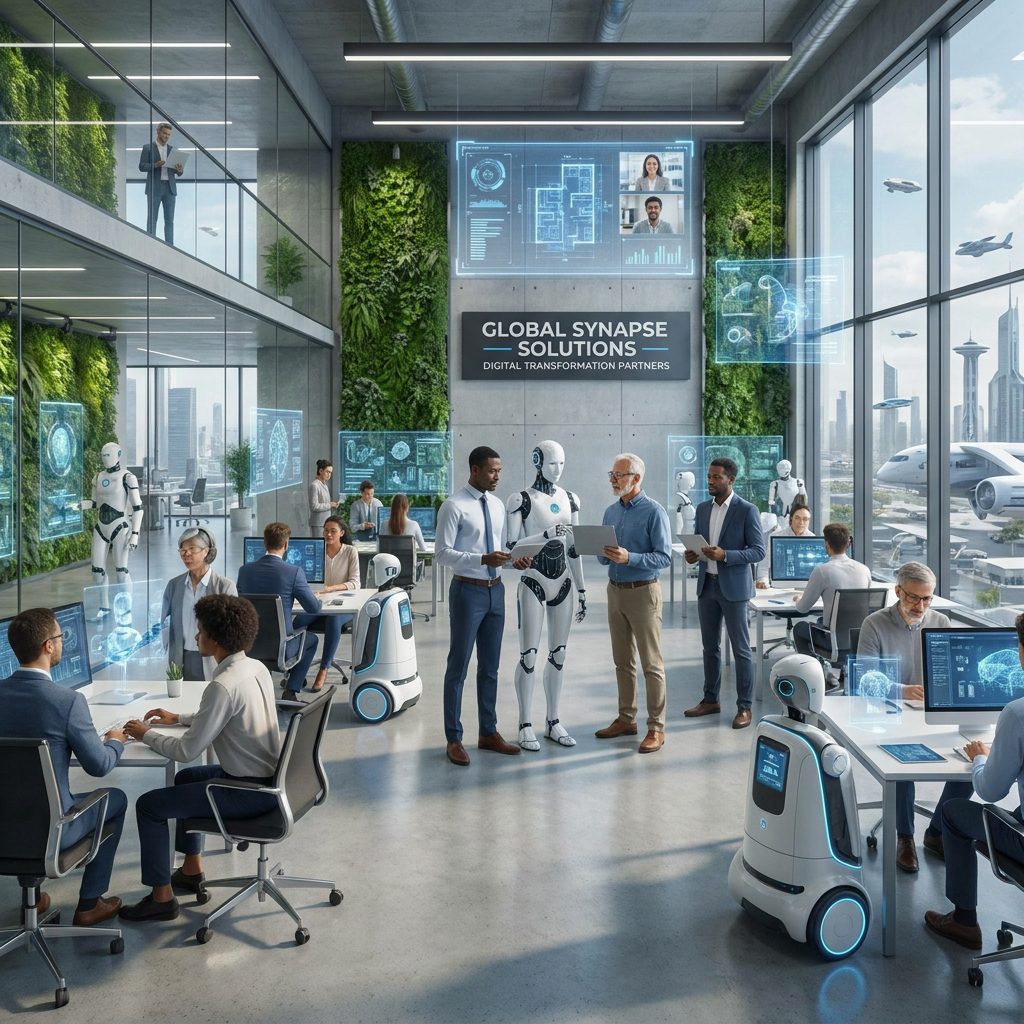
How AI is Changing the Job Market
Artificial Intelligence is designed to automate repetitive tasks, analyze large amounts of data, and improve efficiency. Industries such as banking, healthcare, customer support, transportation, and retail are already using AI-powered systems for daily operations.
Some common AI applications in workplaces include:
- Automated customer support chatbots
- AI-based data analysis
- Smart manufacturing systems
- AI-powered content generation
- Virtual assistants and scheduling tools
These technologies help businesses save time and improve accuracy. However, automation can also reduce the demand for jobs that involve repetitive and predictable tasks.
Jobs Most Likely to Be Affected by AI
Certain jobs that rely heavily on routine work are more vulnerable to automation. AI systems can often perform these tasks faster and with fewer errors.
Jobs that may be affected include:
- Data entry operators
- Basic customer support roles
- Repetitive manufacturing jobs
- Cashiers and billing staff
- Simple bookkeeping tasks
This does not necessarily mean these jobs will disappear completely, but the nature of these roles may change significantly in the future.
Employees working in such industries may need to develop new skills and adapt to technology-driven environments.
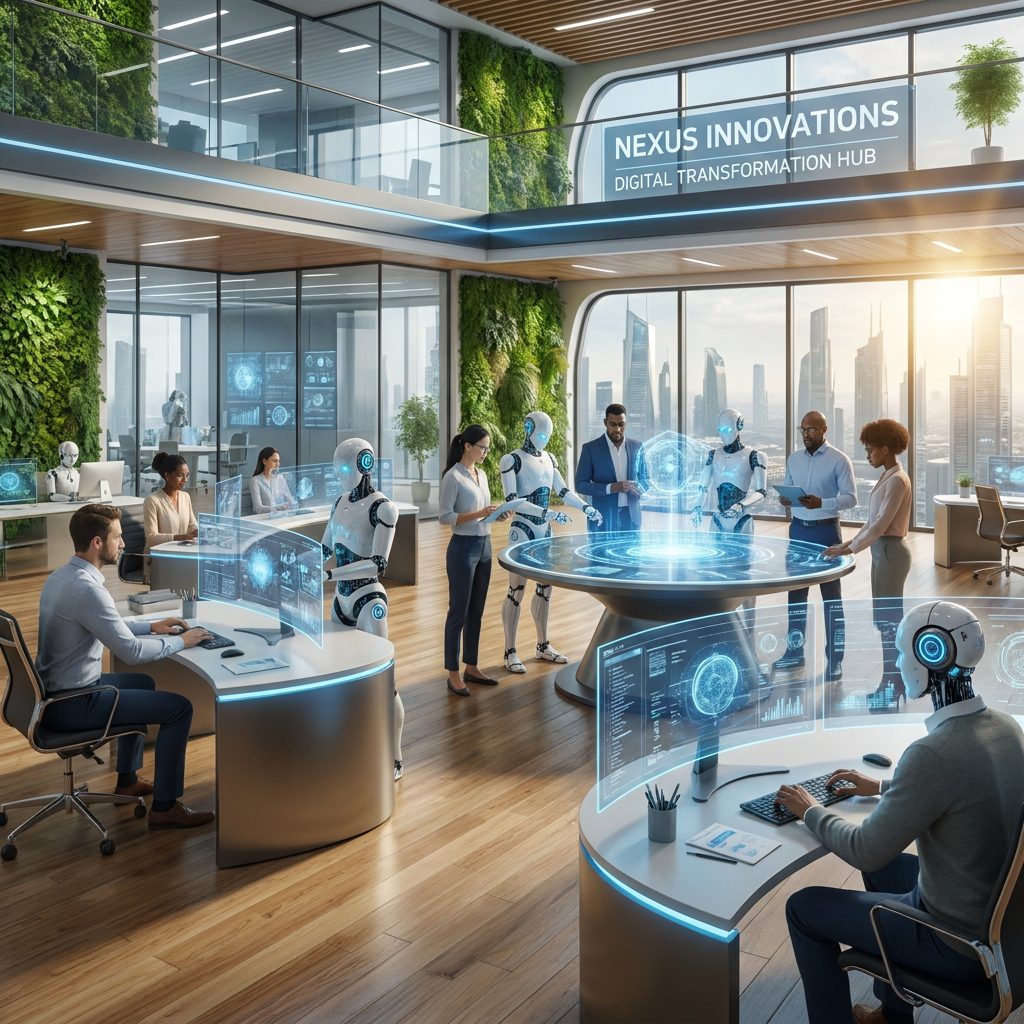
Careers That Are Safer from AI
Although AI can automate many tasks, there are several careers that still depend heavily on human interaction, creativity, leadership, empathy, and problem-solving abilities.
These professions are considered more resistant to automation because they require qualities that AI cannot easily replicate.
Healthcare Professionals
Healthcare remains one of the safest industries despite advancements in AI technology. Doctors, nurses, therapists, and healthcare workers provide emotional support, critical decision-making, and personalized care that machines cannot fully replace.
AI may assist healthcare professionals with diagnosis and data analysis, but human expertise and empathy remain essential.
Safe healthcare careers include:
- Doctors and surgeons
- Nurses
- Psychologists
- Physiotherapists
- Caregivers
As the global population grows, healthcare demand is expected to continue increasing.
Software Developers and AI Specialists
Ironically, the growth of AI itself is creating demand for technology professionals. Businesses need skilled developers, engineers, and cybersecurity experts to build, manage, and maintain AI systems.
High-demand technology careers include:
- Software developers
- AI engineers
- Cybersecurity specialists
- Cloud computing experts
- Data scientists
Technology professionals who continuously upgrade their skills are likely to remain valuable in the future job market.
Teachers and Education Professionals
Education is another field that still requires strong human interaction. While AI can assist with online learning and automated grading, teachers play an important role in mentoring, motivating, and understanding students.
Safe education-related careers include:
- School teachers
- Professors
- Special education professionals
- Academic counselors
- Trainers and mentors
Human communication and emotional understanding are difficult for AI systems to fully replace in educational environments.
Creative Professionals
Creativity is one area where humans continue to have a strong advantage over machines. Although AI tools can generate content, true creativity, originality, storytelling, and emotional connection still rely heavily on human input.
Creative careers include:
- Writers
- Graphic designers
- Video creators
- Filmmakers
- Marketing strategists
AI tools may assist creative professionals, but they are unlikely to replace genuine human creativity completely.
Skilled Trade Workers
Many skilled trade jobs require physical work, hands-on problem-solving, and adaptability in unpredictable environments.
Safe trade careers include:
- Electricians
- Plumbers
- Mechanics
- Construction workers
- Technicians
These jobs often involve real-world situations where human judgment and manual skills are necessary.
Mental Health and Counseling Careers
Mental health professionals provide emotional support, empathy, and deep human connection that AI cannot truly understand.
Growing awareness about mental health is increasing demand for professionals such as:
- Counselors
- Therapists
- Social workers
- Life coaches
Human emotions and personal experiences require genuine understanding that technology cannot fully replicate.
Leadership and Management Roles
Business leaders and managers make strategic decisions, handle team dynamics, and solve complex organizational challenges.
Safe management careers include:
- Project managers
- Business consultants
- Human resource managers
- Operations managers
AI can assist with data analysis, but leadership requires communication, negotiation, and emotional intelligence.
Skills That Will Be Valuable in the AI Era
Instead of fearing AI, professionals should focus on developing future-ready skills that complement technology.
Important skills for the future include:
- Critical thinking
- Communication skills
- Creativity
- Emotional intelligence
- Problem-solving
- Adaptability
- Digital literacy
People who combine technical knowledge with human-centered skills will have better career opportunities in the future.
AI Will Create New Job Opportunities
Although AI may replace some traditional jobs, it is also creating entirely new industries and career paths.
Emerging careers include:
- AI ethics specialists
- Machine learning engineers
- Prompt engineers
- Robotics technicians
- AI content strategists
Historically, technological advancements have always changed the job market, but they have also created new employment opportunities over time.
How to Prepare for the Future Job Market
Preparing for the future requires continuous learning and skill development. People who stay updated with industry trends and technology are more likely to succeed in changing work environments.
Useful ways to stay competitive include:
- Learning new digital skills
- Taking online certification courses
- Improving communication abilities
- Staying adaptable to change
- Building practical experience
Lifelong learning is becoming increasingly important in the AI-driven world.
Final Thoughts
Artificial Intelligence is reshaping the global job market, but it does not mean all careers are at risk. While repetitive and routine-based jobs may face automation, careers that require creativity, emotional intelligence, leadership, and human interaction remain valuable.
Instead of viewing AI as a threat, individuals can see it as an opportunity to learn new skills and adapt to evolving industries. The future job market will likely favor people who can work alongside AI technologies while offering uniquely human abilities.
As technology continues to evolve, one thing remains clear — human creativity, empathy, and innovation will always play an important role in the workforce.