
Technology has transformed the way people live, work, and interact with their surroundings. One of the most noticeable developments in recent years is the rise of smart homes. What was once considered a luxury feature is now becoming a practical solution for homeowners looking for convenience, security, energy efficiency, and better control over their living spaces.
In 2026, smart home technology is more accessible and affordable than ever before. From voice-controlled lights and smart security systems to automated appliances and energy-saving devices, smart homes are changing modern lifestyles around the world.
This article explores how smart homes are becoming more popular, the technologies driving this trend, and what the future may hold for connected living.
What Is a Smart Home?
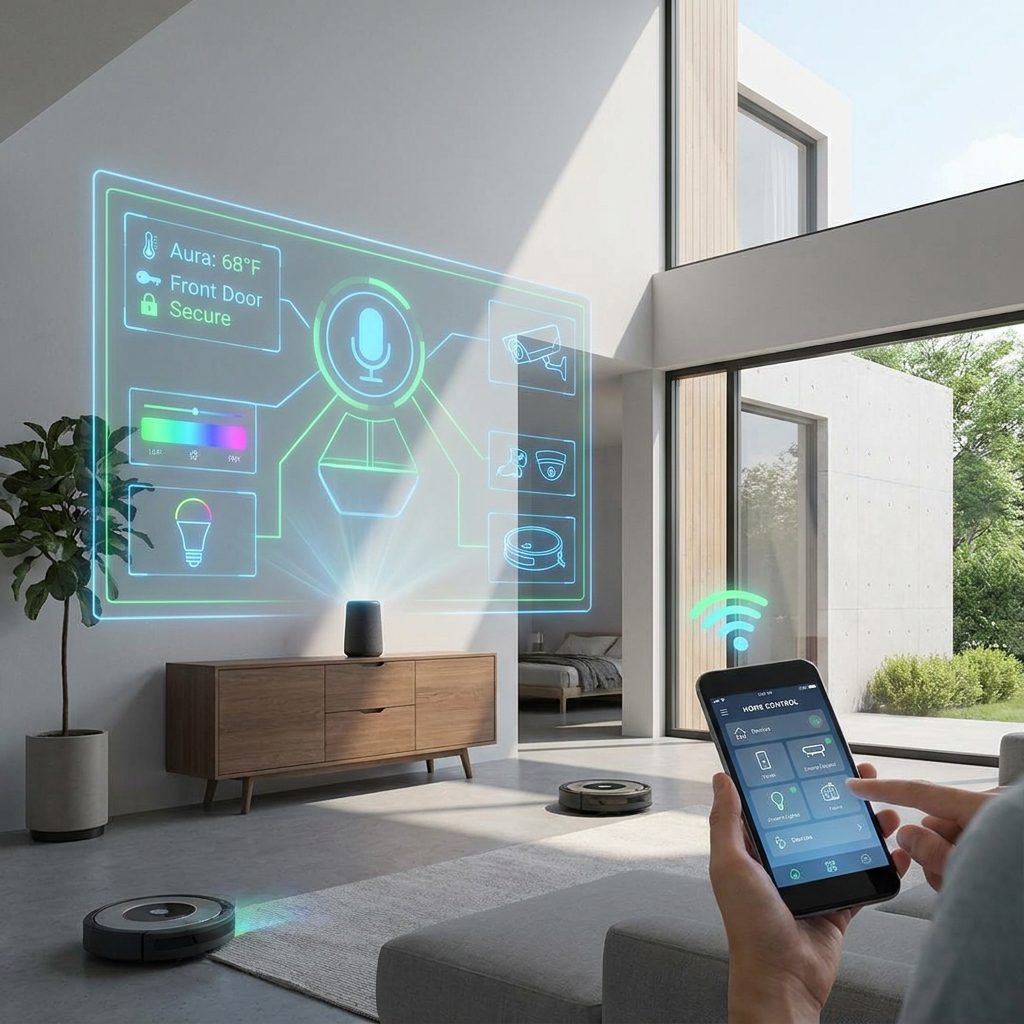
A smart home is a residence equipped with internet-connected devices that can be monitored, controlled, and automated remotely using smartphones, tablets, or voice assistants.
These devices communicate with each other through wireless networks, allowing homeowners to manage different aspects of their homes more efficiently.
Common smart home devices include:
- Smart lights
- Smart thermostats
- Smart security cameras
- Smart door locks
- Smart speakers
- Smart TVs
- Smart appliances
The goal of a smart home is to improve convenience, comfort, safety, and energy management.
Why Are Smart Homes Becoming More Popular?
Several factors are contributing to the growing popularity of smart homes.
Greater Convenience
One of the biggest reasons people adopt smart home technology is convenience. Smart devices allow homeowners to control multiple systems from a single mobile app or voice assistant.
For example, users can:
- Turn lights on or off remotely
- Adjust room temperature automatically
- Lock or unlock doors using a smartphone
- Control entertainment systems with voice commands
These features save time and make everyday tasks easier.
Improved Home Security
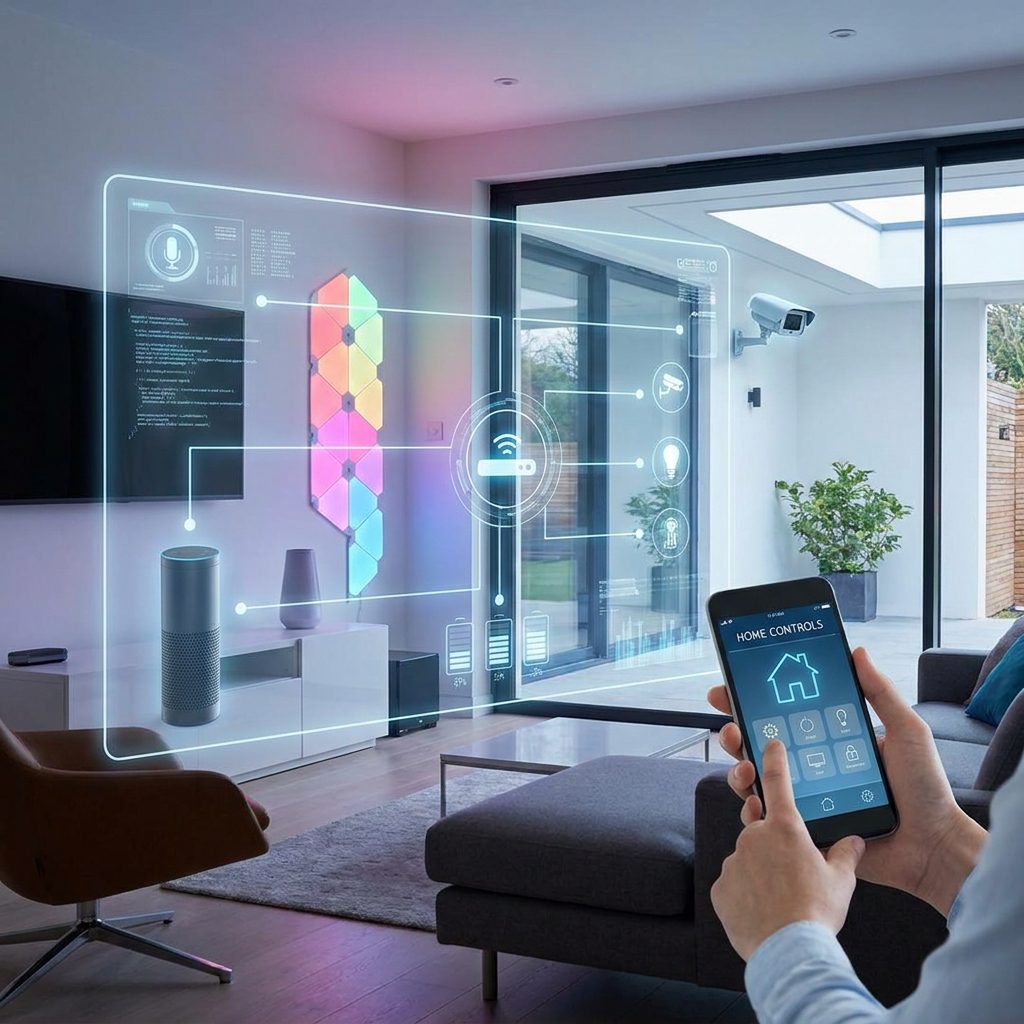
Security is a major concern for homeowners, and smart home technology offers advanced solutions for protecting properties.
Popular smart security features include:
- Video doorbells
- Motion detection cameras
- Smart locks
- Real-time alerts
- Remote monitoring
Homeowners can receive instant notifications if unusual activity is detected and monitor their property from virtually anywhere.
Energy Efficiency and Cost Savings
Many smart home devices help reduce energy consumption and lower utility bills.
Examples include:
- Smart thermostats that optimize heating and cooling
- Automated lighting systems
- Smart plugs that reduce unnecessary power usage
- Energy monitoring systems
By using energy more efficiently, homeowners can save money while reducing their environmental impact.
The Role of Artificial Intelligence in Smart Homes
Artificial Intelligence (AI) is making smart homes more intelligent and responsive.
AI-powered systems can learn user preferences and automatically adjust settings based on daily routines.
For example, AI can:
- Adjust lighting based on occupancy
- Optimize temperature settings
- Suggest energy-saving actions
- Improve home security monitoring
As AI technology advances, smart homes are becoming more personalized and efficient.
Voice Assistants Are Driving Adoption
Voice assistants have played a major role in making smart homes mainstream.
Many households now use voice-controlled devices to perform everyday tasks such as:
- Playing music
- Setting reminders
- Checking weather forecasts
- Controlling smart devices
- Managing shopping lists
Voice commands provide a simple and user-friendly way to interact with technology, making smart home systems accessible to people of all ages.
Smart Appliances Are Changing Daily Life
Modern appliances are becoming smarter and more connected.
Popular smart appliances include:
- Refrigerators that monitor food inventory
- Washing machines with remote controls
- Smart ovens with automated cooking settings
- Robot vacuum cleaners
These devices help homeowners save time and manage household tasks more efficiently.
Smart Homes and Remote Work
The rise of remote and hybrid work has increased interest in smart home technology.
Many people now spend more time at home and seek ways to create comfortable and productive living environments.
Smart home features support remote work by:
- Improving lighting conditions
- Managing indoor temperatures
- Enhancing internet-connected workspaces
- Providing better security
These benefits contribute to a more efficient and comfortable home office experience.
Challenges of Smart Home Technology
Despite its benefits, smart home technology also comes with some challenges.
Common concerns include:
Privacy and Security Risks
Since smart devices collect and transmit data, privacy and cybersecurity remain important considerations.
Users should:
- Use strong passwords
- Enable two-factor authentication
- Keep device software updated
- Secure home Wi-Fi networks
Initial Setup Costs
Although prices have become more affordable, setting up a complete smart home system can still require a significant investment.
However, many homeowners view this as a long-term investment due to the convenience and energy savings provided.
Device Compatibility
Different smart home brands may not always work seamlessly together.
Before purchasing devices, homeowners should ensure compatibility within their chosen ecosystem.
Future Trends in Smart Homes
The future of smart homes looks promising as technology continues to evolve.
Expected developments include:
- More advanced AI automation
- Improved energy management systems
- Enhanced home security solutions
- Better device integration
- Smart health monitoring features
As technology becomes more affordable and user-friendly, smart homes are likely to become a standard feature in many households.
Benefits of Living in a Smart Home
Smart homes offer numerous advantages, including:
- Greater convenience
- Improved security
- Better energy efficiency
- Remote access and control
- Enhanced comfort
- Time-saving automation
These benefits explain why more homeowners are choosing to invest in smart technology.
Final Thoughts
Smart homes are no longer just a futuristic concept. In 2026, they have become a practical and increasingly popular solution for modern living. Advances in artificial intelligence, automation, connectivity, and energy management are making homes smarter, safer, and more efficient.
As technology continues to improve, smart homes will play an even bigger role in everyday life. Whether it is controlling lights with a voice command, monitoring security remotely, or reducing energy consumption, smart home technology is helping people enjoy greater comfort and convenience than ever before.
For homeowners looking to embrace the future of living, smart home technology offers exciting opportunities to create a more connected and efficient home environment.