
Artificial Intelligence is no longer a futuristic concept seen only in science fiction movies. In 2026, AI has become a part of our daily routine, influencing how we work, communicate, travel, shop, learn, and even manage our health. From smartphones and virtual assistants to smart homes and personalized recommendations, AI is quietly transforming everyday life in ways many people do not even realize.
As technology continues to evolve, AI is becoming smarter, faster, and more accessible to businesses and individuals around the world. In this article, we explore how AI is changing everyday life in 2026 and why its impact is growing faster than ever before.
What is Artificial Intelligence?
Artificial Intelligence, commonly known as AI, refers to computer systems that can perform tasks that normally require human intelligence. These tasks include learning, problem-solving, speech recognition, decision-making, and understanding language.
Modern AI systems use advanced technologies such as machine learning, deep learning, and natural language processing to improve performance and deliver smarter solutions.
Today, AI is used in almost every industry, including healthcare, education, banking, transportation, entertainment, and e-commerce.
AI in Smartphones and Personal Devices
One of the most common ways people interact with AI is through smartphones. AI-powered features have become more advanced in 2026, making devices more intelligent and user-friendly.
Some popular AI features in smartphones include:
- Voice assistants that understand natural conversations
- AI-powered cameras with automatic scene detection
- Real-time language translation
- Smart battery optimization
- Predictive text and personalized suggestions
AI helps smartphones learn user behavior and provide a more customized experience. Virtual assistants can now schedule appointments, answer questions, summarize messages, and even help users manage daily tasks more efficiently.
Smart Homes are Becoming More Intelligent
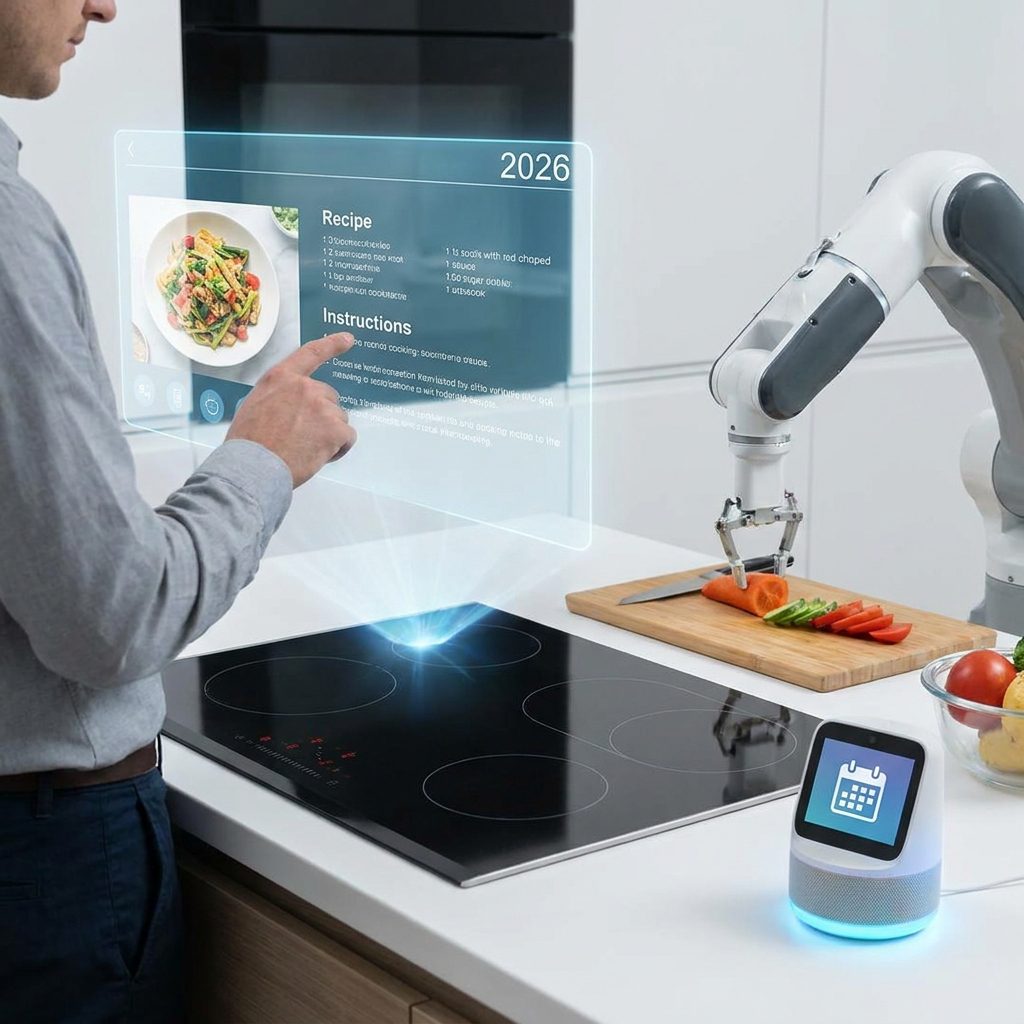
AI is playing a major role in modern smart homes. Devices such as smart speakers, security cameras, thermostats, and lighting systems can now automate household activities based on user preferences.
For example, AI-powered smart homes can:
- Adjust room temperature automatically
- Turn lights on or off based on movement
- Detect unusual activities for security purposes
- Manage electricity usage efficiently
- Control appliances using voice commands
These technologies not only improve convenience but also help reduce energy consumption and increase home security.
AI in Healthcare and Medical Services
The healthcare industry has seen major improvements because of AI technology. In 2026, hospitals and clinics are using AI to improve diagnosis accuracy, patient care, and treatment planning.
AI is helping healthcare professionals by:
- Detecting diseases earlier through medical imaging
- Monitoring patient health remotely
- Assisting doctors in diagnosis and treatment recommendations
- Improving hospital management systems
- Supporting mental health applications
Wearable devices powered by AI can now track heart rate, sleep patterns, stress levels, and physical activity in real time. These technologies allow people to monitor their health more effectively and take preventive action when needed.
AI in Education and Online Learning
Education has become more personalized thanks to AI-powered learning platforms. Students now receive customized learning experiences based on their strengths, weaknesses, and learning speed.
AI in education helps with:
- Personalized study recommendations
- Smart tutoring systems
- Automated grading and assessments
- Interactive virtual classrooms
- Language learning assistance
Many students use AI tools to improve writing, solve math problems, and learn new skills online. Teachers also benefit from AI by reducing administrative work and focusing more on student engagement.
AI in Transportation and Travel
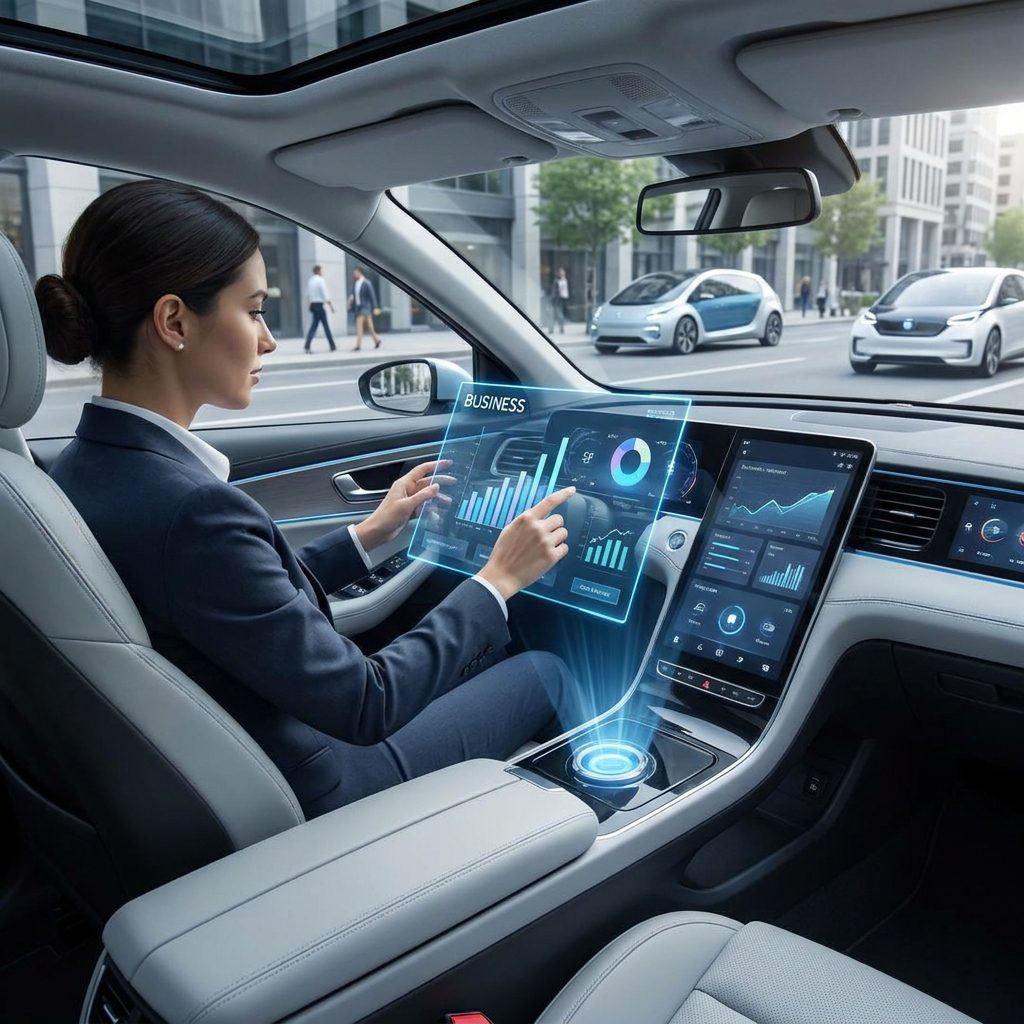
Transportation systems are becoming smarter and safer because of AI technology. In 2026, AI is widely used in navigation systems, traffic management, ride-sharing services, and electric vehicles.
Some important AI applications in transportation include:
- Real-time traffic prediction
- AI-powered route optimization
- Driver assistance systems
- Self-driving vehicle research
- Smart public transportation systems
AI helps reduce traffic congestion, improve fuel efficiency, and enhance road safety. Navigation apps now provide highly accurate travel predictions based on real-time road conditions.
AI in Online Shopping and E-Commerce
E-commerce platforms are using AI to create personalized shopping experiences for customers. AI analyzes browsing behavior, purchase history, and customer preferences to recommend products more accurately.
AI in online shopping includes:
- Personalized product recommendations
- AI chatbots for customer support
- Automated inventory management
- Fraud detection systems
- Smart pricing strategies
These technologies improve customer satisfaction while helping businesses increase sales and efficiency.
AI in Content Creation and Entertainment
Content creators and entertainment companies are using AI tools to produce videos, music, graphics, and written content more efficiently.
AI is now commonly used for:
- Video editing assistance
- AI image generation
- Content recommendations on streaming platforms
- Music composition
- Voice generation and dubbing
Streaming services use AI algorithms to recommend movies, TV shows, and songs based on user interests. Social media platforms also use AI to personalize feeds and improve user engagement.
AI in Workplaces and Businesses
Businesses across different industries are adopting AI to improve productivity and automate repetitive tasks. AI-powered software can analyze data, generate reports, and support decision-making processes.
Common AI applications in workplaces include:
- Customer service automation
- Data analysis and forecasting
- Human resource management
- Marketing automation
- Cybersecurity monitoring
AI helps employees save time and focus on more important tasks that require creativity and human judgment.
Challenges and Concerns of AI
Although AI offers many advantages, there are also concerns related to privacy, job displacement, and ethical usage.
Some common concerns include:
- Data privacy and security risks
- Dependence on automation
- AI-generated misinformation
- Potential job replacement in some industries
- Ethical concerns in decision-making systems
Governments and technology companies are working on regulations and responsible AI development to ensure safe and fair usage of AI technologies.
The Future of AI Beyond 2026
AI technology is expected to become even more advanced in the coming years. Experts predict that AI will continue transforming industries such as robotics, healthcare, education, finance, and space research.
Future AI developments may include:
- More advanced virtual assistants
- Improved human-AI collaboration
- Smarter autonomous vehicles
- AI-powered scientific discoveries
- More realistic digital experiences
As AI continues to evolve, adapting to these technologies will become increasingly important for individuals and businesses alike.
Final Thoughts
Artificial Intelligence is rapidly becoming an essential part of modern life. In 2026, AI is improving convenience, productivity, healthcare, communication, transportation, and entertainment in ways that were unimaginable just a few years ago.
While challenges still exist, the benefits of AI continue to reshape how people live and work. Understanding how AI affects everyday life can help individuals make better use of technology and prepare for the future of digital innovation.
As AI becomes more integrated into society, one thing is clear — Artificial Intelligence is not just changing the future; it is already changing everyday life today.